Musica Ritrovata • 2025
for flute, clarinet, piano, violin, and cello.
Written for Ensemble Fractales.
Are we trying to use technology to hand over responsibility?
Musica Ritrovata reflects on how honest the music we write really is, and on the relationship between honest artistic expression, musical clichés, and our subconscious. Rather than providing answers, the piece turns towards the compositional process itself and the persistent doubts that accompany the search for a musical language.
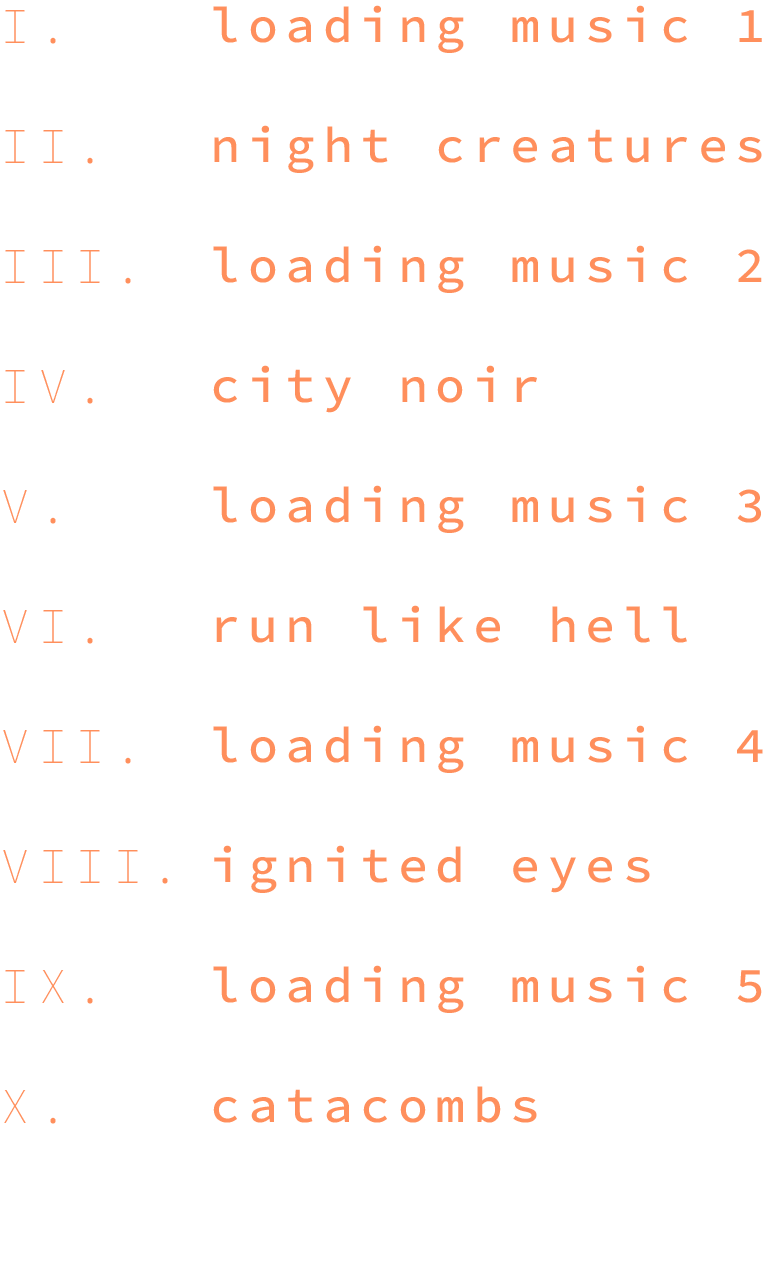
These reflections take the form of an imaginary software called Musica Ritrovata, which connects the composer’s mind directly to the ensemble. Rather than composing in real time, the composer can only choose between certain pre-established options; the rest is executed automatically by the program, without the possibility of active interference. Conscious control thus gives way to a playful process of rediscovering musical material that is already there, giving the piece a distinctly game-like and humorous character. At the same time, this passive operating principle reflects on our tendency to use technology in ways that allow us to hand over responsibility to something outside ourselves.
The fictional software is cheekily named after Ligeti’s Musica Ricercata. While “ricercata” can suggest music developed through an active search for new musical material, Musica Ritrovata refers instead to music that has been found again: music that emerges through the rediscovery of material already present in our subconscious.